Profile
This page hosts the revision history of my profile of Dr. Charles Tilburg and his electoral campaign, starting with the original pitches and ending with some reflections on the whole process.
Pitch
- Dr. Charles Tilburg
- Outgoing head of SMEP and candidate for Maine House of Representatives
- Questions
- What made you decide to take up politics?
- How do the internal politics of academia compare to electoral politics?
- Why did you decide to step down from your position as Director of SMEP?
- Do you see your time in the Maine State House as being a “get in, get the job done, get out” situation or is it something more long term?
- What do you think are the biggest draws you have for voters in your community?
- Dr. Pamela Morgan
- Retiring professor behind the salt marsh restoration project
- Questions
- What are your plans for your retirement?
- How has the restoration project grown since you started it?
- Have you seen major improvements in the salt marsh since the project started?
- Are you optimistic about the future of the project without you in the picture?
- A couple years ago, the Rachel Carson National Wildlife Refuge started collaborating with UNE on salt marsh restoration. Has that collaboration continued?
Early Draft
Dr. Charles Tilburg is a professor and the Director of the School of Marine and Environmental Programs at the University of New England. However, he has recently set his sights on a new field: politics.
Back in January, Dr. Tilburg announced that he was running for the Maine House of Representatives as a Democrat representing the towns of Buxton and Hollis. His opponent is the Republican incumbent Nathan Carlow.
Dr. Tilburg has taught at UNE for almost 20 years as a professor of Marine Science. During his tenure he has served as the Director of SMEP, a position he stepped down from this March.
His campaign focuses on providing for Maine’s future by advocating for affordable housing, affordable higher education, and stronger conservation policies. From his campaign website, “Engineers don’t care about who came up with the solution, just that it works! I will make certain that we have good jobs and housing for people that live here, a bright future for our children, and a clean environment.”
Dr. Tilburg was convinced to enter the political arena after his daughter, a 21 year old college senior, challenged him to do so.
The election is set to be held on November 3 this year.
Workshop Draft
UNE Professor takes scientific approach to politics
Dr. Charles Tilburg emphasizes bipartisanship and results in his bid for Maine House
By Arianna Ochs
Dr. Charles Tilburg has been surprised by his campaign experience so far.
“It’s funny is that I don’t get to talk very much when I go door to door,” he said. “It’s been really fun talking to everybody because everyone’s really, really opinionated.”
Dr. Tilburg is running for the Maine House of Representatives representing district 137, which covers most of the towns of Hollis and Buxton.
His campaign strategy has largely consisted of going to people in the district and having conversations one on one with them. This has let him keep his finger on the pulse of the community’s worries.
“I knock on the door. I tell them who I am and I say, what’s on your mind? And then I hear about property taxes, affordability, and healthcare,” he said.
Since he announced his campaign in January, he has already gathered some fun stories from the campaign trail.
“One guy was like, ‘People drive too fast down my road.’ You know, for him, that’s a valid concern. He’s like, there’s little kids that live here,” Dr. Tilburg said.
Dr. Tilburg is not a career politician. Since 2007, he has worked as a professor at the University of New England teaching oceanography and climate change studies. For the last eight years, he has been the director of the School of Marine and Environmental Programs, a position which he stepped down from this March.
“It was quite shocking,” said Griffin Kaplan, a senior Marine Science major. “We learned about his campaign shortly after we learned he stepped down from being director.”
Kaplan is not alone in feeling this way. Dr. Tilburg has had multiple students come up to him asking if he was leaving the university.
“The answer is no, I’m not,” Dr. Tilburg said. “We have a part-time legislature, so I’m not giving up. I’m still working here.”
He has tried to keep his political ambitions from his professorial duties, and his students think he has done a good job.
“People definitely ask him questions, but everything about the class feels the same,” Kaplan said.
Dr. Tilburg’s campaign was spurred on by a challenge from his daughter, a high school senior at Bonny Eagle High School.
“This sounds like a made up political story, but it’s true,” Dr. Tilburg said. “I was sitting at my dining room table with my daughter, and I was complaining that nothing seems to be getting done. She was like, well then do something about it then. You have the opportunity to address these problems. And I was like, you know what, you’re right.”
His frustrations with partisan gridlock have informed how he approaches politics. Harkening back to his bachelor’s degree in aerospace engineering from the University of Texas, Dr. Tilburg strives to implement the best solutions to Maine’s problems no matter which party they come from.
The bipartisan approach has made it easier to campaign, he said. Despite running as a Democrat, Dr. Tilburg has been able to put aside the sharp partisan divide and connect with people on both sides of the aisle.
“I guarantee you that if you talk to like a very liberal, progressive person and a very conservative person, they will think they have nothing in common, but I bet you that you could name like 10 things they both agree on,” he said.
Dr. Tilburg feels that this approach reflects the kindness of Maine. He often tells a story from when he moved to the state from Georgia 19 years ago when his car had gotten stuck in the snow and two strangers stopped to help him before leaving without another word.
“That to me is Maine,” Dr. Tilburg said. “It’s gruff, but these two guys looked at a person and said ‘We’re going to help him. Okay, we’ve solved the problem. We’re going to keep going home.’”
He’s received help navigating the campaign trail with help from the Hollis-Buxton Democrats, who’s excitement is reflected in Dr. Tilburg’s optimism. His opponent in the election will be incumbent Nathan Carlow, a Republican who’s finishing up his third term in the Maine House.
Dr. Tilburg is optimistic about his chances compared to his predecessors because of his focus on speaking with people in his community. Assuming that he wins this election, he would like to stay for the full 4 terms that House Representatives are allowed to serve.
“In Maine, at these local levels, it’s less ideology. It’s less party. It’s more, do I know you? Do I trust you? Do I think that you’ll represent me well in Augusta?” he said.
Despite worries about the workload being a representative would entail, Dr. Tilburg is sure that he would be a good representative because of his scientific approach to the work.
“You move forward not based on political beliefs, but on the data you have gathered,” he said. “As a scientist you go with what works. Doesn’t matter where the solution comes from.”
Revised Draft
UNE Professor takes scientific approach to politics
Dr. Charles Tilburg emphasizes bipartisanship and results in his bid for Maine House
By Arianna Ochs
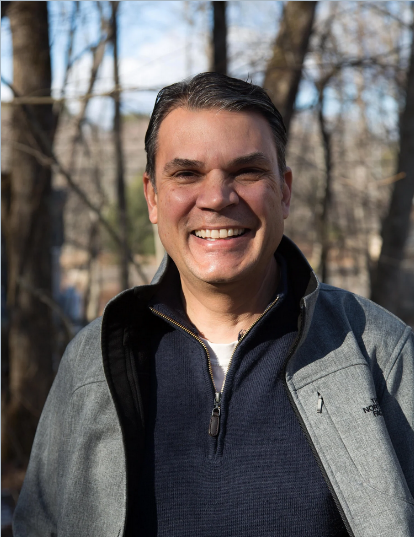
Dr. Charles Tilburg has been surprised by his campaign experience so far.
“It’s funny is that I don’t get to talk very much when I go door to door,” he said. “It’s been really fun talking to everybody because everyone’s really, really opinionated.”
Dr. Tilburg is running for the Maine House of Representatives representing district 137, which covers most of the towns of Hollis and Buxton.
His campaign strategy has largely consisted of going to people in the district and having conversations one on one with them. This has let him keep his finger on the pulse of the community’s worries.
“I knock on the door. I tell them who I am and I say, what’s on your mind? And then I hear about property taxes, affordability, and healthcare,” he said.
Since he announced his campaign in January, he has already gathered some fun stories from the campaign trail.
“One guy was like, ‘People drive too fast down my road.’ You know, for him, that’s a valid concern. He’s like, there’s little kids that live here,” Dr. Tilburg said.
Dr. Tilburg is not a career politician. Since 2007, he has worked as a professor at the University of New England teaching oceanography and climate change studies. For the last eight years, he has been the director of the School of Marine and Environmental Programs, a position which he stepped down from this March.
“When he first came here, he was into hardcore research,” said Dr. Markus Friedrich, a professor at UNE that has been Dr. Tilburg’s colleague for the past 19 years. “We all change what we do. Pretty soon, he realized that his big passion is for organizing things.”
“It was quite shocking,” said Griffin Kaplan, a senior Marine Science major. “We learned about his campaign shortly after we learned he stepped down from being director.”
Kaplan is not alone in feeling this way. Dr. Tilburg has had multiple students come up to him asking if he was leaving the university.
“The answer is no, I’m not,” Dr. Tilburg said. “We have a part-time legislature, so I’m not giving up. I’m still working here.”
The UNE community thinks he’s got what it takes to be a good politician.
“He’s great at talking to people, making them feel good,” said Dr. Friedrich. “During our Accepted Students Days, he really knows how to put on a show for the new students. Politicians need to be able to do that sort of thing.”
He has tried to keep his political ambitions from his professorial duties, and his students think he has done a good job.
“People definitely ask him questions, but everything about the class feels the same,” Kaplan said.
Dr. Tilburg’s campaign was spurred on by a challenge from his daughter, a high school senior at Bonny Eagle High School.
“This sounds like a made up political story, but it’s true,” Dr. Tilburg said. “I was sitting at my dining room table with my daughter, and I was complaining that nothing seems to be getting done. She was like, well then do something about it then. You have the opportunity to address these problems. And I was like, you know what, you’re right.”
His frustrations with partisan gridlock have informed how he approaches politics. Harkening back to his bachelor’s degree in aerospace engineering from the University of Texas, Dr. Tilburg strives to implement the best solutions to Maine’s problems no matter which party they come from.
The bipartisan approach has made it easier to campaign, he said. Despite running as a Democrat, Dr. Tilburg has been able to put aside the sharp partisan divide and connect with people on both sides of the aisle.
“I guarantee you that if you talk to like a very liberal, progressive person and a very conservative person, they will think they have nothing in common, but I bet you that you could name like 10 things they both agree on,” he said.
Dr. Tilburg feels that this approach reflects the kindness of Maine. He often tells a story from when he moved to the state from Georgia 19 years ago when his car had gotten stuck in the snow and two strangers stopped to help him before leaving without another word.
“That to me is Maine,” Dr. Tilburg said. “It’s gruff, but these two guys looked at a person and said ‘We’re going to help him. Okay, we’ve solved the problem. We’re going to keep going home.’”
He’s received help navigating the campaign trail with help from the Hollis-Buxton Democrats, who’s excitement is reflected in Dr. Tilburg’s optimism. His opponent in the election will be incumbent Nathan Carlow, a Republican who’s finishing up his third term in the Maine House.
Dr. Tilburg is optimistic about his chances compared to his predecessors because of his focus on speaking with people in his community. Assuming that he wins this election, he would like to stay for the full 4 terms that House Representatives are allowed to serve.
“In Maine, at these local levels, it’s less ideology. It’s less party. It’s more, do I know you? Do I trust you? Do I think that you’ll represent me well in Augusta?” he said.
Despite worries about the workload being a representative would entail, Dr. Tilburg is sure that he would be a good representative because of his scientific approach to the work.
“You move forward not based on political beliefs, but on the data you have gathered,” he said. “As a scientist you go with what works. Doesn’t matter where the solution comes from.”
Workshop Experience
The workshop mostly confirmed where I thought my article’s weak points would be. I was worried that we would not be hearing enough from people about Dr. Tilburg rather than from Dr. Tilburg, and Conner and Jack confirmed that I should get another voice in there. I was going back and forth on whether to include one of his colleagues, but I erred on the side of lower word count. That was a mistake because now the piece has a hole in its construction. I actively worked to break up the rhythm that my feature had. My peers did not bring it up, so I’m taking that as a success on that front. I was scared about my headline and subhead not fully fitting with the content, but I’m happy to hear that they felt differently.
As for Conner and Jack’s articles, I feel like having this smaller scale review lets me discuss my thoughts more openly. Similarly, I was able to hear from them about why certain things were done in specific ways. I definitely think my feedback was more comprehensive. Both of them were very receptive to my feedback. In fact, I think my point about already knowing what needed to be changed was shared between the three of us. The issues regarding some of the quotes in Conner’s article is a great example. I think that the conversational aspect of the peer review, and this goes for both my peers’ article and my own, let us discuss solutions to issues more than we saw in the workshops. There was a lot of moments where we started talking about an issue with some quotes, and we ended up talking about where the quotes should be going or when to summarize compared to quoting. I think we really honed in and crystallized the conventions of journalism in relation to how we write.
Profile Reflection
My ability to get a new interview on the revision is really limited. You definitely need to have gotten all of your material before you enter the revision process. Otherwise, you just run out of time to gather anything new. I think trying to find the right people to get a good perspective on someone is hard, especially within the more limited academic environment. Last item on the self-criticism train is that photos need to be taken at the time of the interview. It is hard to schedule another time just to take photos. The subject’s time is wasted, and sometimes you aren’t even able to get photos yourself. Instead, you have to pull photos from their campaign website. Overall, however, I must say that I think this article is a success. I myself learned a lot about my subject. The interviews went very well. In fact, I actually think my interview with my main subject is the best interview I’ve ever done up to this point. The hardest part was assembly, but I think I figured out a good way to weave between topics. Editing was smooth. My peers gave me the point on getting a different perspective than the ones I had provided, which led to a better article even if it was a pain. Both of their articles were better put together compared to their last articles. It’s great to see improvement like that. My feedback was mostly grammatical in nature. Nothing that should have been in the article was missing for either of them, which makes editing and revision a breeze. I think the peer review format of just two editors let the editor and I to have more complete, more granular critiques and suggestions. In the larger workshop, I would often avoid errors in grammar or sentence structure unless they were exceptionally glaring because I wanted to give others a chance to talk.
